Source Submersible Sand Dredging Pump for Mining, Irrigation, and Construction
Explore 30 options for the submersible sand dredging pump, featuring high-chrome wear-resistant materials and customizable electric or diesel power sources. Compare specifications like flow rates up to 1000 m3/h and heads up to 400 meters to find the right fit for industrial and commercial applications.
Key considerations
Products List
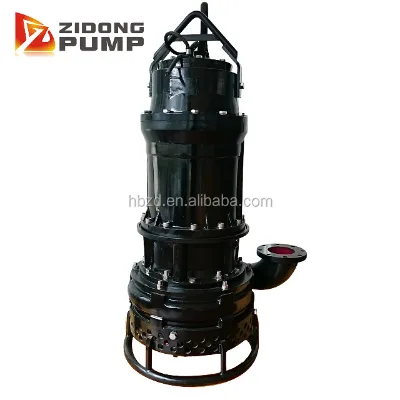


Sand Lifting Pump Dredger Submersible Sand Pump Export Dredger River Dredging Pump
$35500.00 - $36500.00
Moq: 1


Comprehensive Sourcing Guide
Submersible Sand Dredging Pump Sourcing Guide
Buyers must first distinguish between general centrifugal models and specialized dredging units, as the observed product range includes both single-stage centrifugal pumps and dedicated cutter suction dredgers. The listing signals indicate a primary focus on high-pressure applications for mining and dredging, yet the same catalog also lists units for drinking water treatment and HVAC OEMs. This diversity requires a precise definition of the intended duty cycle before engaging suppliers, as a pump optimized for high-head water circulation may lack the abrasion resistance required for heavy sand extraction.
Procurement teams should verify whether the specific model number, such as the NSQ Submersible Dredge Pump or the QSZ series, aligns with the physical constraints of the project site. The observed data suggests a wide variance in maximum head, ranging from 50-80 meters to 400 meters, which directly impacts the selection of the impeller and casing design. Buyers must confirm if the unit is designed as a vertical pump with a suction centrifugal mounting height or a horizontal configuration, as this dictates the installation footprint and the complexity of the submersible deployment system.
Product Scope and Observed Listing Signals
The market signals reveal a strong emphasis on high-chrome materials and wear-resistant casting alloys, which are critical for the abrasive nature of sand dredging operations. While the listings mention applications in developing world water solutions and family homes, the core technical attributes like "High Pressure" and "Cutter Suction Dredger" type point to heavy industrial use cases in mining and dredging. Buyers should scrutinize the material specifications to ensure the pump casing and impeller are constructed from high chrome or stainless steel rather than standard cast iron, which would degrade rapidly in sand-laden environments.
Commercial listings indicate a flexible approach to customization, with OEM, ODM, and OBM support available alongside software reengineering capabilities. This suggests that suppliers can adapt the voltage, frequency, and power source, which may be electric, diesel, or driven by a VFD, to match local infrastructure constraints. However, the presence of "Single item" selling units alongside high customization options implies that buyers must clearly specify their requirements to avoid receiving a standard off-the-shelf unit that lacks the necessary modifications for specific dredging depths or flow rates.
Technical Specifications to Verify
Verification of the flow rate and head capacity is the primary technical hurdle, as observed listings cite a flow rate of 1000 m3/h but also list maximum heads varying significantly between 50-80 meters and 400 meters. Buyers must demand a performance curve for the specific model to confirm that the pump can maintain the required flow under the actual site head pressure without cavitation or excessive power draw. The horsepower range of 5 to 260 hp further indicates that power requirements are highly variable, necessitating a detailed calculation of the total dynamic head and fluid density before finalizing the motor selection.
The shaft seal configuration and impeller type are equally critical for long-term reliability in abrasive service conditions. The observed options include packing seals, mechanical seals, or expeller seals, each offering different trade-offs between maintenance frequency and leakage protection. Additionally, the impeller is described as "Open" in some contexts, which is typical for handling solids, but buyers must confirm if this design is paired with a single-suction configuration suitable for the specific slurry viscosity and particle size distribution expected in the dredging operation.
Compliance and Safety Documentation
Certification verification is essential, as the observed data lists ISO9001:2015 alongside a broader set of certificates including BV, CE, SGS, and TUV. Buyers should request valid, current copies of these certificates to ensure the manufacturing facility adheres to international quality management systems and that the specific pump model has undergone the necessary third-party testing for pressure and safety. The presence of multiple certifications suggests a supplier capable of exporting to regulated markets, but the documentation must explicitly cover the specific model being purchased rather than just the company's general quality policy.
Safety documentation must also address the electrical and mechanical risks associated with high-pressure submersible pumps operating in wet environments. The listings mention various power sources including electric motors and diesel engines, which require distinct safety protocols regarding grounding, explosion-proof ratings, and emergency shutdown mechanisms. Buyers should ensure that the supplier provides comprehensive manuals detailing the installation of the belt or direct coupling, the proper mounting height for vertical pumps, and the specific maintenance intervals required for the shaft seal to prevent catastrophic failure during operation.
Cost Drivers and Commercial Terms
The price range observed from 30 to 99,999 USD reflects the vast difference between small-scale units and large industrial dredging systems, making unit price alone a misleading metric for budgeting. The primary cost drivers include the material composition, such as high chrome or stainless steel, the horsepower rating, and the complexity of the customization required for the specific application. Buyers should analyze the total cost of ownership, factoring in the warranty period of one year and the potential cost of spare parts like impellers and seals, which are subject to rapid wear in sand dredging applications.
Commercial terms regarding the minimum order quantity and lead time are flexible, with observed MOQs ranging from 1 to 10 units, allowing for both pilot projects and large-scale deployments. However, the "Customize" attribute for cable length and voltage implies that non-standard configurations may incur additional engineering fees or extended lead times. Buyers must clarify whether the quoted price includes seaworthy packing in superior wooden cases and if the supplier offers OEM services that might alter the pricing structure or payment terms for bulk orders.
Supplier Qualification and Quality Control
Supplier qualification should focus on the place of origin, which is consistently listed as Hebei, China, a region known for its pump manufacturing capabilities but also requiring rigorous on-site audits. Buyers must verify the supplier's capacity to deliver the specific "New" condition units and confirm their track record in the automotive, food and beverage, or industrial boiler sectors, as these diverse applications indicate a broad manufacturing base. The ability to provide OEM services and software reengineering suggests a mature supply chain, but buyers should request references from similar dredging projects to validate their practical experience.
Quality control processes must be explicitly defined to ensure the pump meets the high-pressure and wear-resistant standards observed in the product attributes. Buyers should insist on factory acceptance tests that verify the maximum head, flow rate, and material hardness before shipment, particularly for the high-chrome components. The listing of "Single-stage Pump" and "Centrifugal Pump" theories requires confirmation that the internal tolerances are maintained during casting and machining, as deviations can lead to premature failure in the demanding conditions of mining and dredging operations.
Long-Term Procurement Checks
Long-term procurement success depends on establishing a clear warranty framework and a reliable supply chain for replacement parts, given the one-year warranty period observed in the listings. Buyers should negotiate extended warranty terms or service level agreements that cover the high-wear components like the shaft seal and impeller, which are critical for maintaining operational uptime in continuous dredging projects. The availability of spare parts must be guaranteed for the lifespan of the equipment, ensuring that the pump can be maintained without significant downtime when the initial warranty expires.
Finally, buyers must plan for the specific environmental and operational challenges of the application, such as the varying water conditions in developing world water solutions or the high abrasion in mining. The observed usage in "dredging" and "mining" requires a proactive maintenance schedule that accounts for the specific slurry characteristics and the potential for clogging or erosion. Establishing a partnership with a supplier who understands these nuances and can provide technical support for troubleshooting and performance optimization is essential for maximizing the return on investment in submersible sand dredging pumps.
FAQs
What is the maximum head for this submersible sand dredging pump?
The maximum head reaches 400 meters for high-pressure applications. This capability supports deep dredging and mining operations where significant vertical lift is required. The centrifugal design ensures efficient fluid movement over long distances, making it suitable for industrial utilities and district energy systems that demand reliable performance under pressure.
Can the submersible sand dredging pump be customized for specific projects?
Yes, customization is available for cable length, voltage, and other specifications. The manufacturer supports OEM, ODM, and OBM services to meet unique project requirements. Buyers can request tailored solutions for diverse applications, including automotive, biofuel, and developing world water solutions, ensuring the pump integrates seamlessly into existing infrastructure.
Which materials are used in the submersible sand dredging pump construction?
The pump casing is constructed from high chrome wear-resistant casting alloy iron. Additional materials include cast iron, cast steel, stainless steel, and brass. These robust materials ensure durability against abrasive slurries and harsh environments, making the equipment ideal for dredging, mining, and heavy industrial usage where component longevity is critical.
What certifications does the submersible sand dredging pump hold?
The product holds ISO9001:2015 certification and additional certificates including BV, CE, ISO, SGS, and TUV. These credentials verify adherence to international quality and safety standards. Buyers can rely on these documented certifications to ensure compliance with regulatory requirements in global markets, facilitating smoother procurement and installation processes for industrial applications.
How is the submersible sand dredging pump powered and driven?
The pump is primarily driven by an electric motor, though diesel or VFD options are available. It operates at 50Hz or 60Hz frequencies to match local power grids. The horsepower ranges from 5 to 260 hp, providing flexible power configurations for various flow rates and head requirements across different industrial and commercial settings.
What is the warranty period for the submersible sand dredging pump?
The standard warranty period is one year from the date of purchase. This coverage protects buyers against manufacturing defects and ensures initial operational reliability. The warranty applies to the new condition equipment, providing peace of mind for investors in dredging and mining projects who require dependable long-term performance from their pumping systems.